
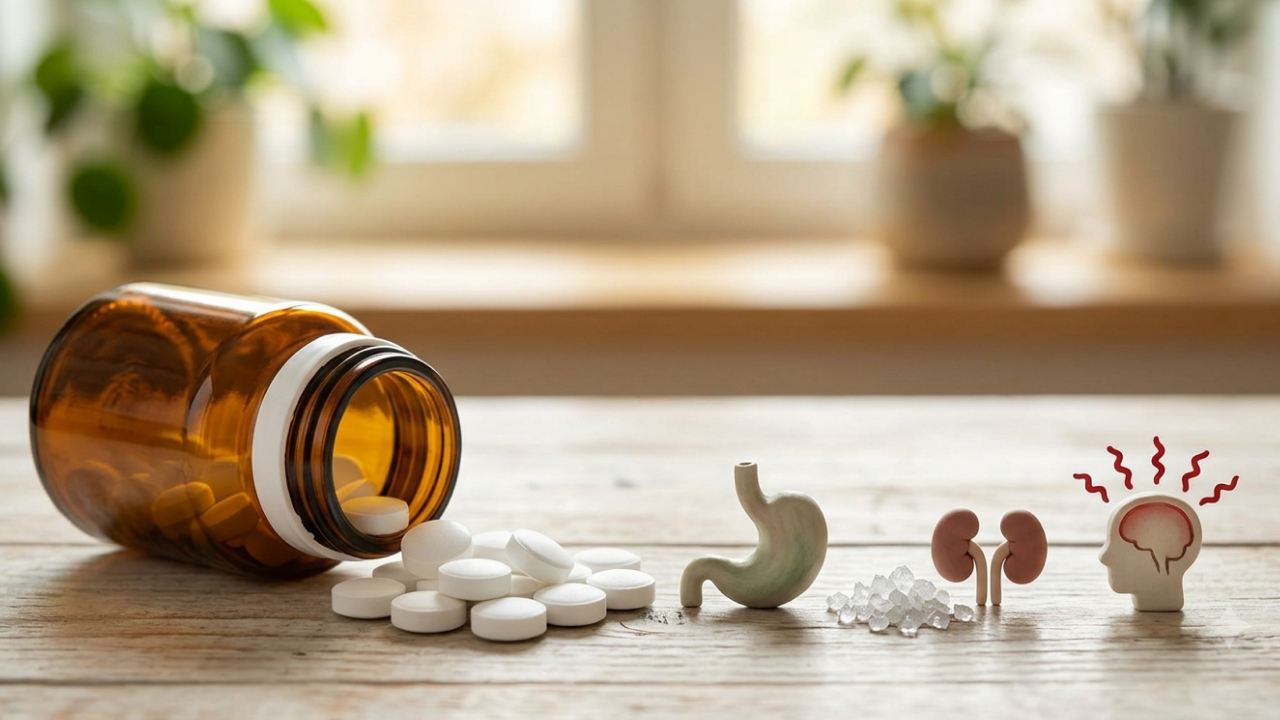
Vitamin D is one of the most crucial micronutrients responsible for the absorption of calcium, development of bones, muscle functioning, as well as providing the immune system with strength. A number of people resort to taking vitamin D supplements, but sometimes excessive intake might lead to adverse events. The side effects of vitamin D are directly linked to taking very high-doses of the supplements and not receiving vitamin D through sunlight or food.
An increased level of vitamin D leads to the increased level of calcium in the organism which has a negative effect on the kidneys, body digestive system, heart, etc. It is vital to learn about the symptoms, causes, and factors that increase the chances of suffering from health complications because of vitamin D.
What Are the Risk of Vitamin D?

In healthy doses, Vitamin D is generally safe. While vitamin D deficiency can lead to several health problems, taking too much of it over time can result in vitamin D toxicity or hypervitaminosis D. Most side effects arise due to a high level of calcium in the blood, the condition also known as hypercalcemia.
Common Side Effects
People with high levels of vitamin D may experience:
- Nausea
- Vomiting
- Constipation
- Stomach ache
- Decreased appetite
- Tiredness
- Muscle weakness
- Increased thirst
- Frequent urination
- Light headache
These symptoms can manifest slowly, often being confused with other diseases.
Serious Side Effects
Major vitamin D toxicity can lead to several health risks, as follows:
- Hypercalcemia (high calcium content in the blood)
- Kidney stones
- Kidney failure or damage
- Irregular heartbeats
- Confusion and disorientation
- Severe dehydration
- Deposits of calcium in soft tissue
Though vitamin D toxicity is rare, it can become a serious medical condition if no action is taken to treat it.
Signs and Symptoms
Vitamin D toxicity typically occurs after an individual consumes high-dosage vitamin D supplements for many weeks or years. Because of the nature of the condition, the symptoms are mostly caused by high levels of calcium in the bloodstream and affect many organs.
High Calcium Levels (Hypercalcemia)
The most significant characteristic of vitamin D toxicity is hypercalcemia. Vitamin D supplements increase the intake of calcium, but excess vitamin D will lead to calcium levels in the blood.
Some signs of high calcium levels may include:
- Nausea
- Vomiting
- Inappetence
- Unquenchable thirst
- Frequent urination
- Weakness
If calcium levels continue to rise, other severe consequences may occur.
Digestive Problems
Digestive symptoms tend to appear at the beginning of vitamin D overconsumption.
The symptoms may include:
- Nausea
- Vomiting
- Constipation
- Abdominal pain
- Diarrhea
- Loss of appetite
As these symptoms are common in other intestinal disorders, the danger of vitamin D toxicity does not normally get detected.
Kidney Problems
Excessive calcium forces the kidneys to work overtime, which increases the chances of:
- Kidney stones
- Kidney damage
- Kidney function decline
- Kidney shutdown in extreme situations
Individuals suffering from some kidney diseases already are most likely to be affected by these complications.
Fatigue, Weakness, and Confusion
Vitamin D toxicity can affect the central nervous system.
Signs may be:
- Severe tiredness
- Weakness in muscles
- Loss of ability to focus
- Confusion
- Changes in mood
- Memory problems
In some extreme cases, one may even require treatment on the emergency basis.
Frequent Urination and Excessive Thirst
Excess calcium stimulates the kidney to excrete more water from the body, thereby causing the following problems:
- Frequent urination
- Constant thirst
- Dry mouth
- Dehydration
These signs may accompany tiredness and weakness.
What Causes Vitamin D Side Effects?

Vitamin D side effects occur when the body is provided with more vitamin D than required, usually owing to excessive supplementation that comes into play rather than from food intake or sunlight exposure.
When large doses of Vitamin D are given, calcium absorption will also be increased, which will result in hypercalcemia or excessively high blood calcium levels. This condition is responsible for most of the symptoms of vitamin D toxicity.
Taking Too Much Vitamin D Supplements
The leading cause of adverse effects related to vitamin D is use of high quantity of supplements over an extended period of time. Despite the fact that vitamin D supplements assist in overcoming deficiency, it is dangerous to take an excessive amount of vitamin D without the doctor’s supervision, because vitamin D is a fat soluble vitamin that can accumulate in the body.
Prescription or Dosing Errors
Another reason of vitamin D toxicity is incorrect instructions related to dosing or use of excessive amounts of vitamin D. Reading directions on the label of the supplement improperly or using several vitamin D products at the same time can significantly raise daily intake of vitamin D.
High-Dose Vitamin D Injections
Some patients receive high-dose vitamin D injections in order to treat severe vitamin D deficiency. Although the use of vitamin D injections is usually safe, the risk of vitamin D toxicity increases when the dosages of injections are not monitored properly.
Who Is at Risk?
Although vitamin D poisoning is a rare occurrence, it happens more frequently among some than among others. This particularly is true for those taking a vitamin D supplement without ongoing health supervision.
People Taking High-Dose Supplements
Those taking high doses of vitamin D daily over a prolonged period of time are particularly vulnerable to vitamin D toxicity, especially if the level of vitamin D in the blood is not regularly monitored.
Individuals With Certain Medical Conditions
Those suffering from some medical conditions that cause disturbances in vitamin D metabolism and calcium homeostasis may be at increased risk of developing high blood calcium level. Certain diseases affecting the kidneys, the lymphatic system, and some granulomatous diseases may increase the possibility of developing vitamin D toxicity.
People Using Multiple Vitamin D Products
Vitamin D is frequently added to multi-vitamin/mineral supplements, calcium supplements, or pure vitamin D preparations. The simultaneous use of various supplements with vitamin D can raise the total intake of vitamin D above the safe daily intake.
How Much Vitamin D Is Too Much?
The amount of vitamin D required by a person depends on age, health, and levels of vitamin D already obtainable. In the case of healthy adults, following the suggested daily intakes can keep their levels in the right range.
Recommended Daily Intake
Most adults need moderate amounts of vitamin D either from sunlight, diet, supplements, or through various combinations of these. People diagnosed with vitamin D deficiency may need to take larger doses for some time.
Safe Upper Limit
According to health experts, 4,000 IU (100 micrograms) a day is the maximum safe daily intake rate for healthy adults. Adhering to this rate reduces the risk for adverse effects for the general public. This figure is stated as the maximum safe limit in all the sources.
When Vitamin D Becomes Toxic
Vitamin D poisoning usually occurs after taking high dosage supplements for a long time rather than after occasional large doses intake. The amount of vitamin D in the blood is considered to be too high only when it is supplemented not only with elevated calcium levels but also with different signs like nausea, thirst, kidney problems, or confusion.
How Are Hypervitaminosis D Treated?

The treatment of this condition will largely depend on how severe your symptoms are as well as your blood calcium and vitamin D levels in your body in general. Mild forms can heal just with the halting of vitamin D intake while severe ones may require treatment.
Treatment might consist of:
- Stopping the intake of vitamin D supplements
- Cutting down on calcium intake according to the health provider’s command
- Drinking enough water in order not to dehydrate
- Receiving IV fluids in case of severe hypercalcemia
- Having the respective medication for lowering blood calcium levels as prescribed
- Monitoring vitamin D and calcium levels regularly
Seek medical help in case you notice severe symptoms like confusion, vomiting, abnormal heart rhythms or any other kidney-related disorders.
How to Prevent Vitamin D Side Effects
Using vitamin D supplements properly along with regular health checkup can help you avoid vitamin D overdose.
To prevent the danger of overdosing:
- Stick to the dose prescribed by a physician
- Avoid using multiple vitamin D supplements at once, unless your doctor told you to do so
- Check the label of your supplements before using them
- If you have been taking big amounts of vitamin D supplements for an extended period, make sure to monitor your vitamin D levels.
- Do not exceed the prescribed doses without the instructions of the doctor
- Store vitamins in a safe location away from children to avoid accidental overdose
Make sure you check your vitamin D blood levels if you have taken high doses of vitamin D or consumption of food rich in vitamin D.
Frequently Asked Questions
Yes. Nausea is one of the most common side effects related to too much vitamin D; it usually occurs because of too much calcium in the blood.
Yes. Constipation may come about in individuals that have vitamin D toxicity because hypercalcemia causes slow digestive processes.
Yes. Vitamin D toxicity in the long run can lead to kidney stones, impaired kidney function, and, in extreme cases, kidney failure due to excessive calcium levels.
The period of time changes according to vitamin D accumulation in the body and difficulty level of poisoning, while light symptoms may go away after discontinuing use, the severe cases may last few weeks and require medical attention for complete recovery.
The upper limit for this vitamin consumption is 4,000 IU (100 mcg) by most qualified health experts for healthy individuals, unless higher augmentation of the dosage has been advised as part of treatment for vitamin D deficiency.
Conclusion
Vitamin D has an important role in creating and maintaining healthy bones and muscles as well as proper immune function, but consuming more vitamin D than the body requires can produce unwanted effects. Most cases happen due to excessive intake of dietary supplements instead of food or sun.
As nausea, constipation, thirst, and tiredness are early signs of vitamin D overdose, they may appear harmless, but excessive intake can lead to serious conditions like hypercalcemia and kidney damage. Vitamin D supplements can be beneficial only if the dosage is respected and kept within the recommended limits.